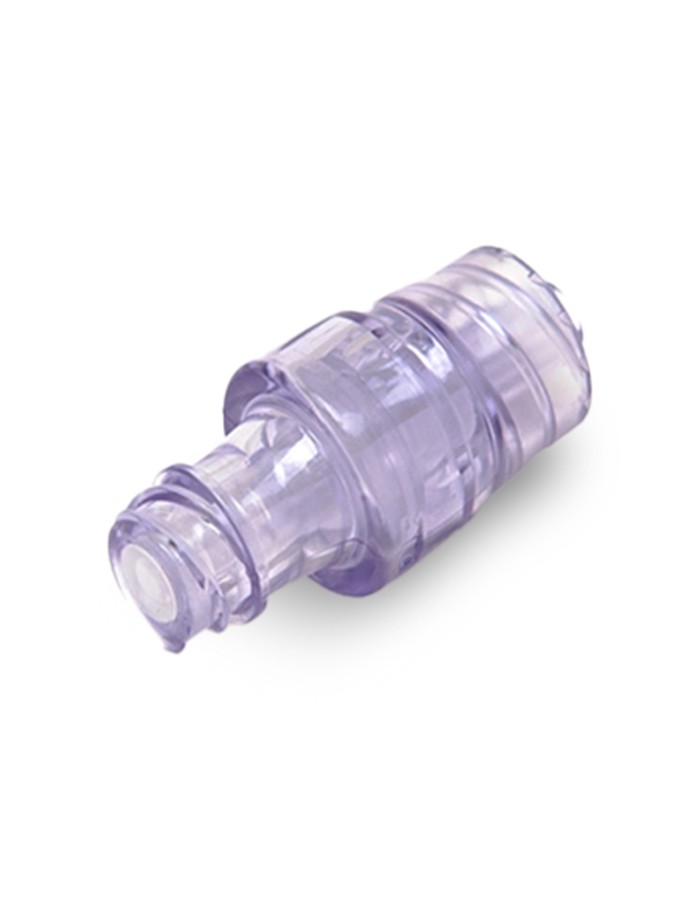
A New Era in Medical Products

A New Era in Medical Products: Regulation, Innovation, and the Supply Chain
The healthcare technology landscape continues to evolve rapidly. Medical devices, in particular—equipment used in diagnostics, treatment, and care—are both equipped with innovative technologies and facing increasing regulatory demands at the global level. In this article, we focus on three critical developments in this area: major regulatory changes, a spiral of industry innovation, and new challenges facing supply chains.
A Major Step in Regulation
The first major development stands out as the comprehensive medical device regulation announced in the UK by the Medicines and Healthcare Products Regulatory Agency (MHRA). This reform, which comes into effect on June 16, 2025, tightens post-market surveillance requirements. GOV.UK
This change emphasizes that device manufacturers don't just release their products to the market; they must also actively monitor the post-market process. This could increase production costs and raise the industry's safety and quality standards.
Innovation and Competitive Pressure
The second area is the accelerating pace of innovation in medical devices. New solutions, from artificial intelligence (AI)-powered devices to portable scanning devices, are becoming available. For example, industry news sources cite numerous examples of this rapid change. medtechdive.com+1
This situation creates both opportunities and pressure for companies: If you don't innovate, your competitors will stand out; but innovation has numerous side effects, such as regulatory, security, and cost implications.
Supply Chain and International Tensions
Thirdly, risks in the medical device sector are increasing in terms of supply chain and international trade. For example, China's decision to exclude European medical device companies from public procurement signals new tensions in the sector. AP News
Such political moves could lead to a rethinking of production geography, a rise in the importance of local production capacity, and a shift in global price balances.
Implications for Turkey
- From the Turkish context, these global developments could have several significant impacts:
- Domestic production may gain an advantage: As regulatory and supply chain pressures increase, companies engaged in local production can be expected to gain flexibility.
- Export opportunities may arise: Manufacturing for European and Middle Eastern markets, in particular, may be advantageous in terms of timing.
- Quality and safety standards will need to rise: As regulations tighten globally, Turkey may also require increased investment in production and certification processes.
The medical device sector will undergo a significant transformation in the coming years, both technologically and regulatory. Manufacturers must manage innovation, quality, supply chain, and global trade balances simultaneously. This transformation in Turkey can be considered an opportunity—domestic production, export-oriented strategies, and quality management should be prioritized.
By closely following developments in this area, it will be possible to remain innovative and competitive.